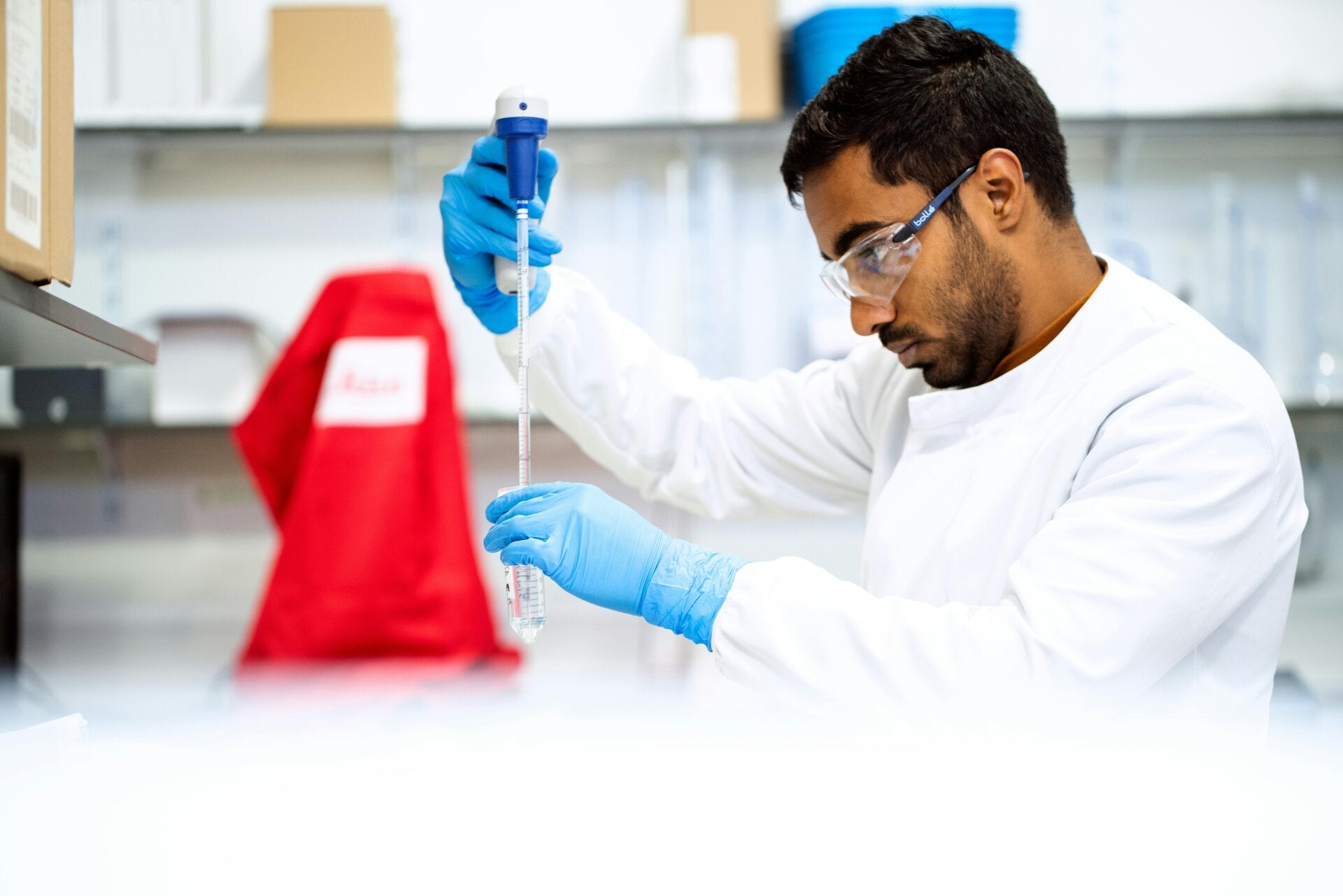
What Are Research Peptides? A Clear, Trustworthy Guide for Curious Researchers
Click here to add text.
Jun 27, 2026 6:26 PM
Click here to add text.
Mar 16, 2026 12:57 PM
GLP‑1–based peptides are the most clinically validated weight‑loss options available today. They work by reducing hunger, improving insulin regulation, slowing gastric emptying, and supporting healthier eating patterns.
Mar 14, 2026 12:17 PM
Unlock your body’s natural potential with peptides designed to support performance, endurance, and recovery. Our Performance Collection reflects the resilience of the Nordic landscape—powerful, efficient, and naturally aligned with the body’s rhythm.
Mar 13, 2026 10:00 AM
Mar 7, 2026 12:52 PM
At NordicPure Wellness, we believe wellness should feel clean, powerful, and deeply aligned with the body’s natural design. That’s why peptides are at the heart of everything we do. These remarkable molecules represent the perfect fusion of purity, science, and performance—much like the Nordic landscapes that inspire our brand.
Mar 5, 2026 12:52 PM
Some of the most researched options include:
Mar 5, 2026 12:52 PM
Peptides have become some of the most popular ingredients for supporting youthful, healthy skin. Certain peptides are known for their ability to promote collagen, improve elasticity, reduce fine lines, and enhance overall skin repair.
Research peptides are highly sensitive molecules, and their stability depends heavily on how they’re stored, handled, and reconstituted. Whether you’re working with BPC‑157, TB‑500, GHK‑CU, or any other lyophilized peptide, proper care ensures consistency and reliability in laboratory settings.
This guide breaks down the essential best practices every researcher should follow to protect peptide integrity from the moment the vial arrives.
Most research peptides arrive in a lyophilized (freeze‑dried) powder form. This process removes water and dramatically increases stability, making peptides easier to ship and store.
Key characteristics:
Dry, fluffy, or crystalline appearance
Highly stable when kept cool and dry
Sensitive to moisture, heat, and repeated temperature changes
Proper storage begins before the vial is ever opened.
Keep vials in a cool, dry place, ideally 2–8 °C (standard refrigerator).
Avoid storing near heat sources or in direct light.
Store at −20 °C or lower for maximum stability.
Keep vials sealed until needed to prevent moisture exposure.
Minimize freeze–thaw cycles by storing vials in a stable, undisturbed location.
Peptides degrade faster when exposed to:
Heat
Humidity
UV light
Frequent temperature fluctuations
Maintaining consistent cold storage helps preserve structural integrity over time.
This prevents condensation from forming inside the vial, which can compromise stability.
Sterile gloves
Alcohol‑wiped surfaces
Fresh needles/syringes for each transfer
Oxygen and moisture can degrade certain peptide sequences.
Once reconstituted, peptides become significantly more sensitive.
Common laboratory solvents include:
Bacteriostatic water
Sterile water
Acetic acid (0.6%) for certain hydrophobic peptides
PBS depending on experimental design
Solvent choice depends on:
Peptide solubility
Intended research application
Stability requirements
Allow vial to reach room temperature.
Gently inject solvent down the side of the vial.
Do not shake vigorously — swirl lightly to dissolve.
Store immediately after mixing.
Use sterile technique at every step to maintain sample integrity.
Once mixed, peptides require more careful handling.
Store at 2–8 °C
Use within days to weeks, depending on the peptide and solvent
For longer-term storage, freeze at −20 °C
Avoid repeated freeze–thaw cycles by aliquoting into smaller volumes
This is one of the most effective ways to preserve stability:
Divide solution into multiple sterile microtubes
Freeze only once
Thaw individual aliquots as needed
UV light can break down certain amino acid bonds. Store vials in:
Amber containers
Dark storage boxes
Refrigerators/freezers away from internal lights
Even small amounts of humidity can degrade lyophilized peptides. Always:
Keep vials sealed
Use desiccants when storing multiple vials
Avoid opening vials in humid environments
When receiving peptides:
Inspect vials for cracks or moisture
Confirm labels, lot numbers, and COAs
Move to cold storage immediately
Lyophilized peptides tolerate shipping well, but should be stored properly upon arrival.
Proper storage and handling are essential for maintaining peptide integrity and ensuring reliable experimental outcomes. By following best practices—cool storage, careful reconstitution, minimal freeze–thaw cycles, and protection from light and moisture—researchers can preserve the stability and performance of their peptides throughout their studies.
NordicPure Peptides supports researchers by providing high‑purity, third‑party‑tested peptides along with clear handling guidelines to help maintain consistency in the lab.